Can One Industrial Chiller Cool Multiple Machines? Single-Loop vs Multi-Channel Solution
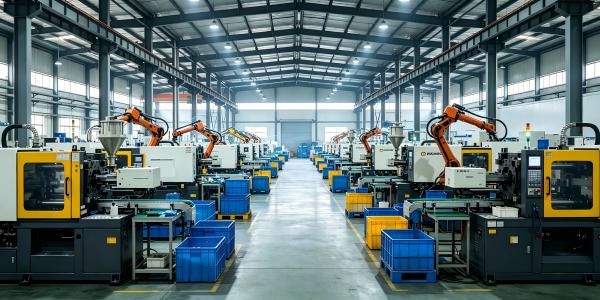
In most industrial factories and laboratory environments, various processing machines generate continuous heat during operation. However, limited floor space and budget constraints often prevent businesses from equipping every device with an independent cooling system. This leads to one of the most frequently asked cooling questions: can a single industrial chiller reliably cool multiple machines without sacrificing cooling performance or operational stability?
How a Standard Industrial Chiller Works
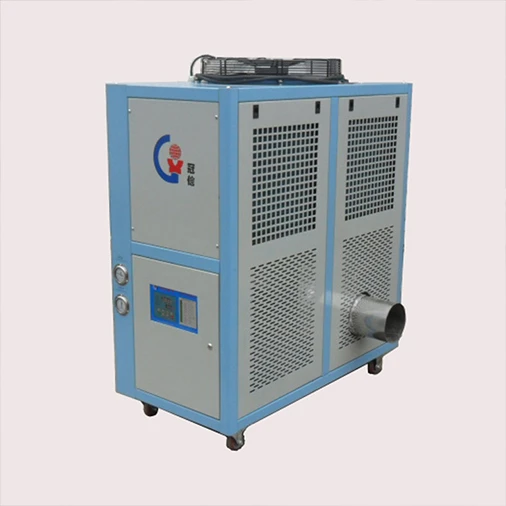
A conventional industrial chiller operates based on a single closed cooling loop. Circulating water or glycol solution absorbs residual heat from processing equipment, then flows back to the chiller unit for rapid heat dissipation and temperature reduction. Once cooled, the fluid recirculates to the equipment to sustain continuous, stable cooling throughout production.
Is It Possible to Cool Multiple Machines with One Standard Chiller?
It is technically feasible to connect multiple machines to a single traditional chiller, provided that the chiller’s total cooling capacity fully matches the combined heat load of all connected devices. In this setup, the chiller acts as a centralized cooling source, delivering chilled fluid to individual equipment through manifold pipelines and branch circulation lines.
Equipped with independent flow control valves, the system can separately adjust the cooling water flow for different machines, while unified return lines transport heated fluid back to the chiller for recycling. The entire system works stably only if the flow rate and heat load are precisely balanced for every connected device.
Advantages of Using One Chiller for Multiple Machines
Lower Overall Operational Costs
Deploying one centralized chiller instead of multiple small independent units significantly reduces upfront procurement costs. It eliminates repeated investment in multiple compressors, water pumps, and control systems, while greatly simplifying on-site installation and pipeline layout to save construction expenses.
Simplified Daily Maintenance
Managing a single cooling system is far more efficient than maintaining several dispersed chillers. Fewer mechanical components mean fewer potential failure points. Maintenance teams only need to monitor and service one unified temperature control system, drastically lowering daily maintenance workloads and long-term failure risks.
Optimized Space Utilization
A single integrated chiller occupies much less floor space than multiple discrete units. For factories and laboratories with compact layouts, this space-saving design effectively frees up production area, supporting equipment expansion and streamlined workflow arrangement.
Improved Energy Efficiency
High-capacity central chillers operate more stably and efficiently under continuous rated loads than multiple small chillers running intermittently. With balanced flow distribution and reasonable load allocation, the system avoids invalid energy consumption, delivering superior long-term energy-saving benefits.
Potential Risks of Single-Loop Multi-Machine Cooling
Conflicting Temperature Requirements
Different processing equipment often requires distinct cooling temperature standards. A traditional single-loop chiller can only provide a unified water temperature, making it impossible to meet individualized temperature demands. This easily leads to insufficient cooling for high-precision equipment or excessive cooling energy waste, affecting overall processing performance.
Unstable Temperature Fluctuations
The heat load of industrial equipment often changes dynamically during operation. If one machine suddenly increases heat generation, it will occupy most of the cooling flow, causing temperature fluctuations and unstable cooling for other connected devices. Such temperature deviations directly impact product precision and yield rate.
Overloaded Cooling Capacity
If the total heat load of all connected machines exceeds the chiller’s rated cooling capacity, the system will fail to maintain the set temperature. Long-term overload operation not only reduces cooling efficiency but also accelerates component aging, shortens equipment service life, and increases power consumption.
Full Production Downtime Risk
A single chiller represents the only cooling source for all connected equipment. Once the unit fails or shuts down for maintenance, all machines will lose cooling support simultaneously, triggering full-line production downtime and causing substantial economic losses.
Multi-Channel Chiller: The Optimized Solution for Multi-Machine Cooling
What Is a Multi-Channel Chiller?
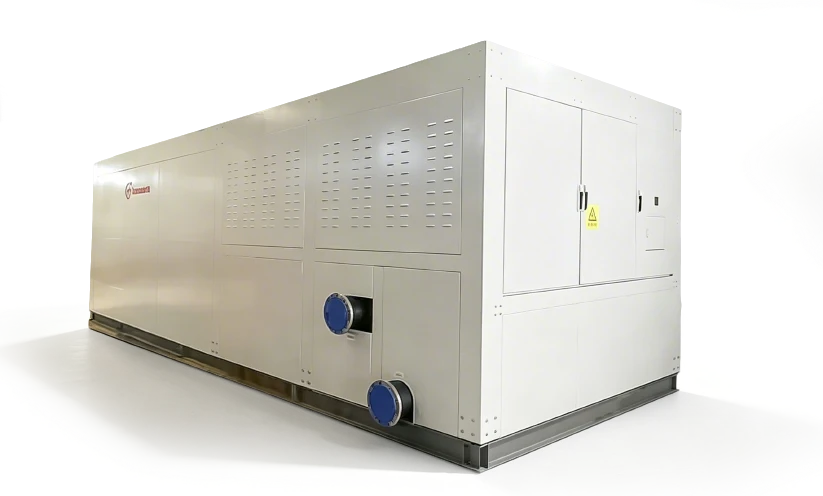
A multi-channel industrial chiller integrates multiple independent cooling circuits into one compact unit. Each channel is equipped with an independent pump, circulating system, and temperature control module. This innovative design enables one single chiller to serve multiple machines with completely different cooling requirements, perfectly solving the defects of traditional single-loop cooling systems.
Core Benefits of Multi-Channel Cooling Systems
Multi-channel chillers completely avoid mutual interference between different equipment cooling loops. Each circuit operates independently with precise flow and temperature control. Sudden load changes or heat fluctuations in one channel will not affect the stable operation of other channels, achieving full-process temperature stability for all equipment.
-
Independent Precise Temperature Control Each cooling channel supports independent temperature setting and high-precision constant temperature control, fully adapting to high-standard scenarios such as laser processing, chemical reactions, laboratory testing, and semiconductor production.
-
Stable & Consistent Production Quality Each device maintains a stable cooling state regardless of other equipment load changes, effectively reducing product defects, scrap rates, and rework costs.
-
Dual Advantages of Space & Cost Saving Integrating multiple independent cooling circuits into one unit eliminates the need for multiple chillers. It minimizes floor occupation while lowering overall equipment procurement and installation costs.
-
Smart Energy Saving Each channel can be independently turned on or off according to actual production demands. The system only consumes power for working circuits, avoiding idle energy loss and greatly reducing long-term operating costs.
-
Simplified Centralized Maintenance All cooling data, operating status, and fault alarms of multiple channels are displayed on one unified control interface. Centralized monitoring and maintenance reduce management difficulty and improve operational efficiency.
Custom Multi-Channel Chiller Solutions
Whether you need to cool multiple sets of processing equipment in factories or meet multi-scene differentiated cooling demands in laboratories, our customized multi-channel industrial chiller solutions can match your production conditions perfectly. Contact our professional team to get a tailored high-efficiency, stable, and energy-saving cooling solution.